
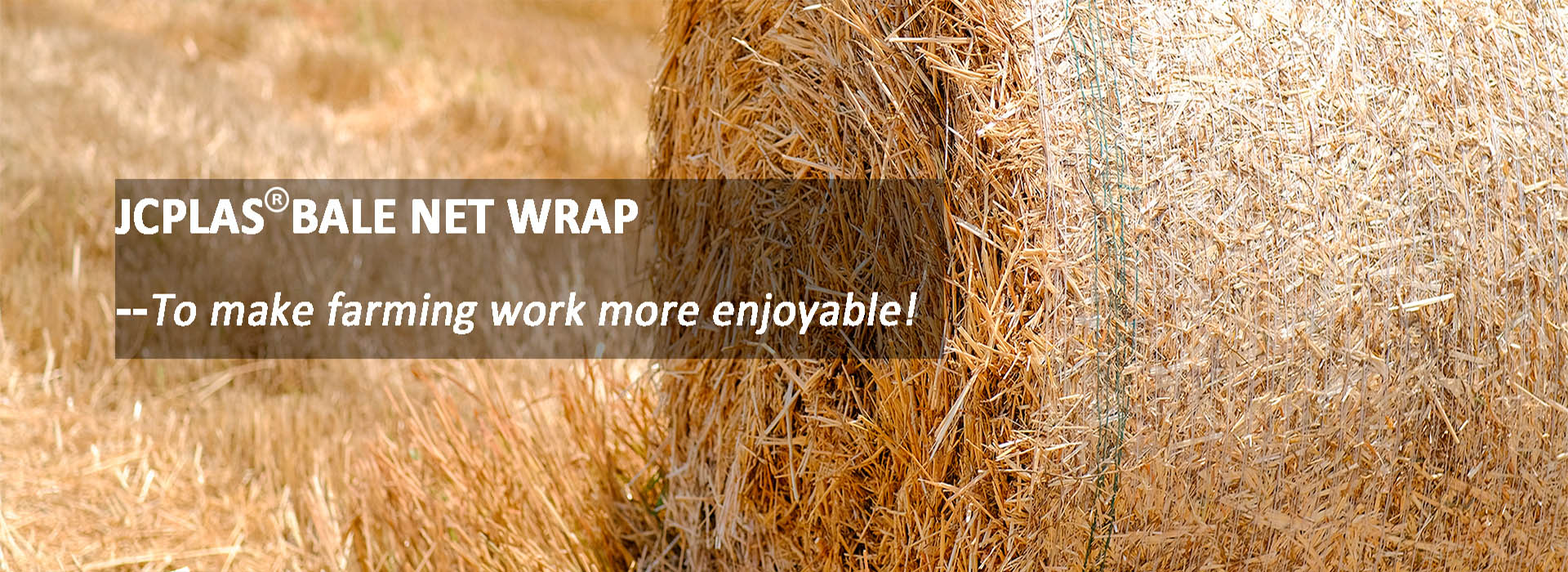
What exactly is bale net wrap?
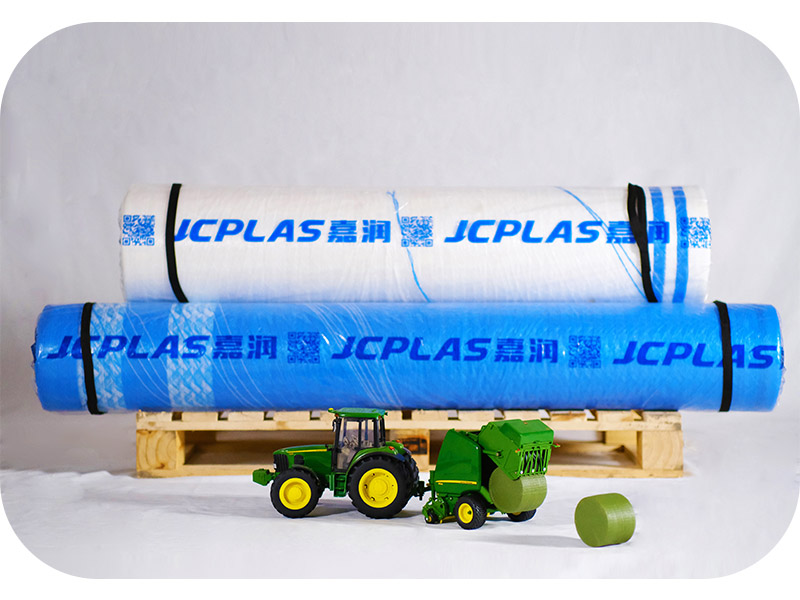
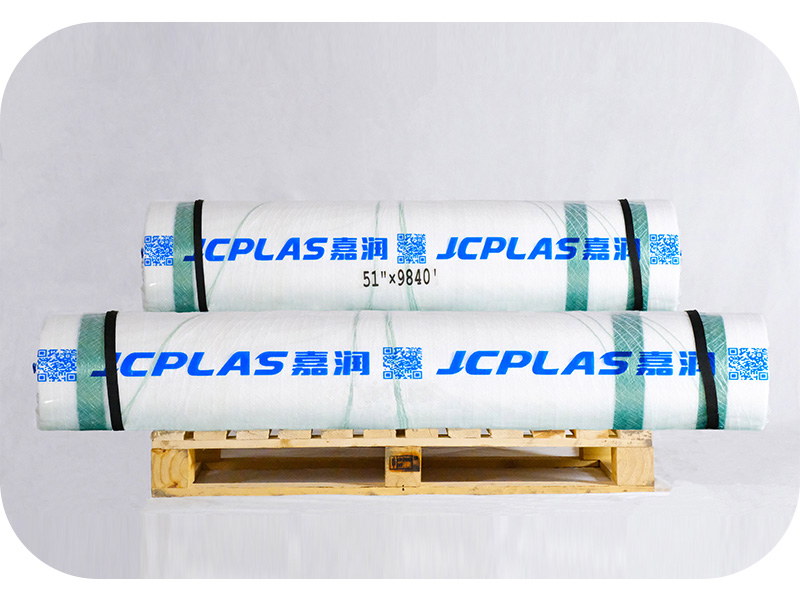
What exactly is bale net wrap? In simple terms, bale net wrap is a knitted agricultural packaging net made of high‑density polyethylene (HDPE), specially built for round baler machines. Also widely named agricultural bale net wrap or round bale net wrap, this material comes in long continuous rolls designed to fit standard round baler reel holders.
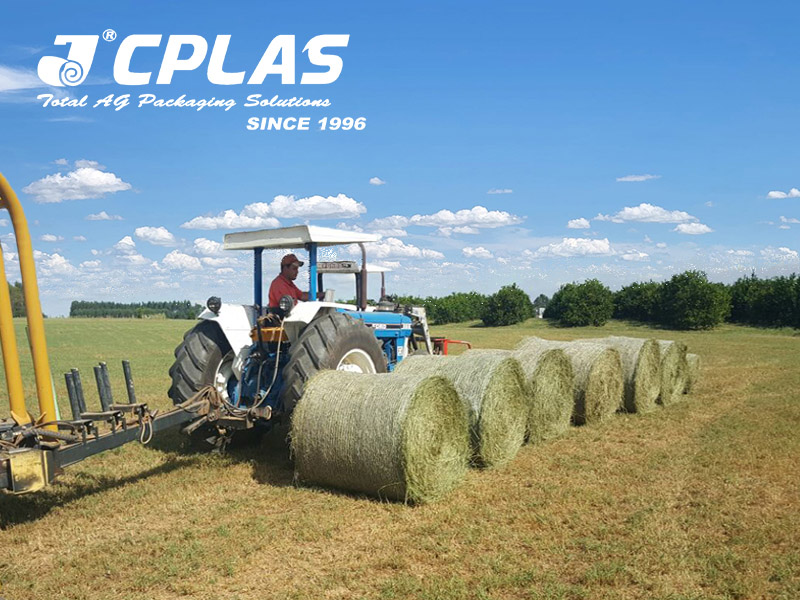
When the baler compresses hay, alfalfa, straw or corn stalk into a compact round bale, the machine automatically feeds HDPE bale net wrap around the full outer circumference. Within just two to three rotations, the knitted mesh covers the entire surface of the bale, locking crop material firmly inside.
Many new farmers easily confuse agricultural bale net wrap with silage stretch film. Round bale net wrap offers physical holding strength by knitted mesh structure. It does not create air‑tight sealing. Silage film works separately to block oxygen for anaerobic silage fermentation. The two materials serve totally different purposes in farm workflows.
Quality HDPE bale net wrap can add UV‑resistant additives during manufacturing. This lets round bale net wrap stand against outdoor sunshine, rain and temperature shifts, so wrapped bales can sit in open‑air storage for months without rapid material failure.
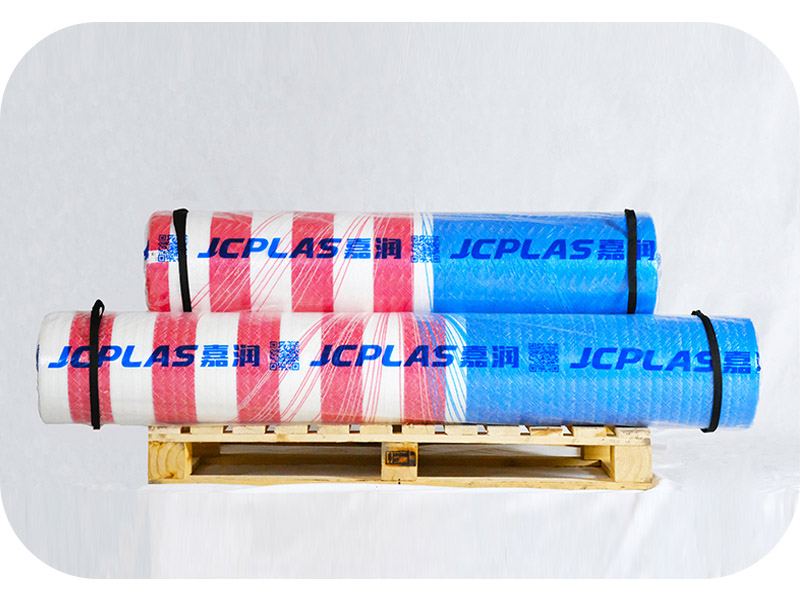
What makes HDPE the core material for agricultural bale net wrap?
The performance of any round bale net wrap heavily depends on its raw material: HDPE, short for high‑density polyethylene. Real premium agricultural bale net wrap uses 100 percent virgin HDPE resin instead of mixed recycled plastic. Recycled plastic often brings unstable tensile strength and hidden impurities, causing unexpected tearing in field baling work.
Virgin HDPE gives bale net wrap several key practical characteristics for farm use:
- Great tear resistance: HDPE bale net wrap withstands pulling, bumping during loader lifting and truck transportation without sudden ripping.
- Flexible knitted texture: The warp‑knitted structure stretches moderately, fits bale expansion after crop compression, will not cut into hay or alfalfa stems.
- Water‑repellent property: HDPE material does not absorb water. Rain drops flow off the net surface instead of soaking into bales, lowering mould risks.
- Customizable UV performance: Manufacturers can mix different levels of UV stabilizer according to local sunshine intensity, to match temperate, subtropical or equatorial farm conditions.
Not every bale net wrap on market uses genuine virgin HDPE. Low‑cost alternatives blend recycled plastic to cut production expense. Although they look similar at first sight, they turn brittle quickly under sunlight and lead to broken bales and valuable forage waste for farm operators.
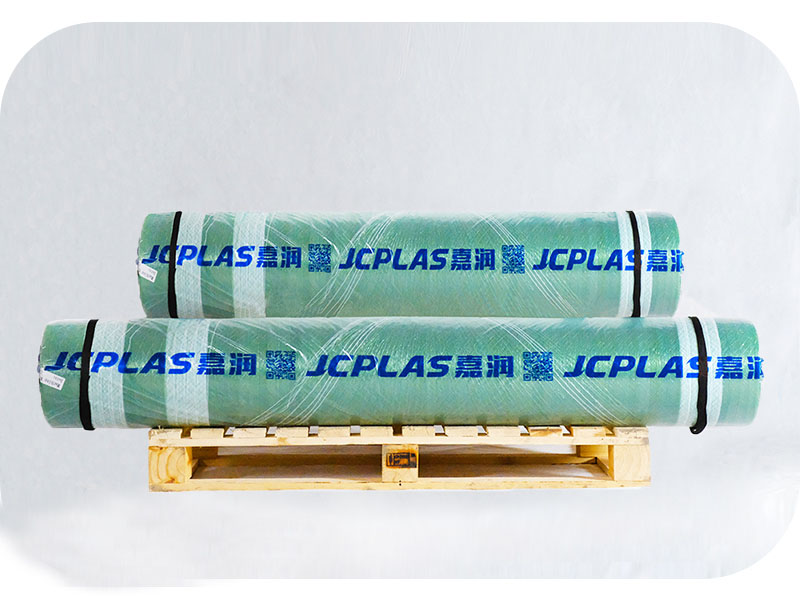
Why do modern farms need bale net wrap instead of traditional baler twine?
To fully understand why modern farms need agricultural bale net wrap, we should compare round bale net wrap against the older baler twine solution which many small farms still use today.
Baler twine only fastens bales at several separate strand lines. Large gaps exist between twine loops. Sunlight and rain can penetrate those gaps directly onto hay layers inside. Leaves and nutrient‑rich plant fragments easily fall off during hauling and stacking. In addition, twine requires many more baler rotations to finish tying every single bale, eating up precious working time during short harvest windows.
HDPE bale net wrap brings multiple upgrades for modern mechanized farming:
1. Higher baling output within limited harvest time
Agricultural bale net wrap completes full‑surface wrapping in just 2‑3 baler rotations. Farmers can produce significantly more round bales every hour. When bad weather is approaching, finishing baling work faster protects crops from rain damage, which is critical for hay‑producing farms.
2. Reduce valuable forage loss
Round bale net wrap holds the whole outer layer of forage securely. Leaf shatter loss drops greatly. For alfalfa farms, leaves contain most nutrition value. Reducing leaf loss means higher‑quality feed for cattle, sheep and horses, and less economic waste from spoiled bales stored outdoors.
3. Stable bale shape for transport and stacking
Bales wrapped by agricultural bale net wrap keep neat cylindrical form. They resist deforming when lifted by front‑end loaders or stacked in multiple layers. Broken and collapsed bales create extra labor work and feed waste. Good‑quality HDPE bale net wrap minimizes such troubles for contractors and large‑scale farms.
4. Improved outdoor storage performance
UV‑stabilized round bale net wrap creates a protective outer mesh shell. It sheds rainwater, slows sun damage to bale surfaces. Many modern farms cannot afford large enclosed barn space for all hay stocks, so outdoor storage becomes normal practice. Bale net wrap offers practical protection without expensive building investment.
Who exactly benefits from using agricultural bale net wrap?
Round bale net wrap is not only designed for huge commercial farms. Different types of agricultural operators can gain real benefits from HDPE bale net wrap.
- Commercial hay contractors: High daily bale volume requires fast baling speed and low bale failure rate. Agricultural bale net wrap improves working efficiency and product appearance for selling hay bales to buyers.
- Livestock raising farms: Dairy, beef cattle and sheep farms produce or purchase large amounts of round hay bales. Good bale condition reduces feed waste and keeps animal feed nutrition stable.
- Family‑size mechanized farms: Even mid‑small farms equipped with modern round balers can cut manual handling work and forage loss by adopting round bale net wrap.
- Agricultural distributors: Resellers supply HDPE bale net wrap to local farm clients in different climate zones, selecting standard or high‑UV grades to fit regional sunshine conditions.
It is worth noting: round bale net wrap only works with round baler machines that support net‑wrap reel installation. Older baler units that can only use twine cannot run agricultural bale net wrap material.
Common misunderstandings about what exactly is bale net wrap
Many farmers who are new to HDPE bale net wrap hold several wrong ideas. Clearing these misconceptions helps you make better purchasing and operation decisions.
Misunderstanding 1: All bale net wrap products perform the same.
Raw material quality creates the biggest performance gap. Recycled‑plastic round bale net wrap sells cheaper, yet its tensile strength and UV resistance cannot compare against 100% virgin‑HDPE agricultural bale net wrap.
Misunderstanding 2: Bale net wrap can replace silage film completely for silage making.
This is wrong. HDPE bale net wrap provides mechanical holding force. It cannot block oxygen. To make fermented silage, you still need air‑tight silage film after net wrapping.
Misunderstanding 3: Bale net wrap is only useful for extra‑large farms.
As long as you own a compatible round baler, family farms also gain advantages including less leaf loss and easier bale stacking, no matter your operation scale.
Quick takeaways
To recap what exactly is bale net wrap: agricultural bale net wrap is HDPE knitted netting purpose‑built for round balers. It delivers full‑surface bale wrapping within very few machine rotations.
Modern farms turn to round bale net wrap mainly for four major advantages: faster baling speed in tight harvest windows, reduced nutrient‑rich forage loss, stable bale shape for transport and stacking, plus reliable performance for outdoor hay storage.
When you plan to buy HDPE bale net wrap, always pay attention to raw‑material quality, UV stabilizer grade and whether roll specifications match your baler model. Good‑quality agricultural bale net wrap brings long‑term cost savings for any farm running round baling work.
Field Working Video: UV‑Resistant Forage Bale Net Wrap
Video load failure: Open youtube video link directly